
Full disclaimer: I was not paid by University of Melbourne to write this nor am I their affiliate. This is solely based on my own experience and hence represents my own views and opinions.
Helloo, it’s been too damn long since I last wrote anything. The lack of consistency is truly appalling. But, I’m back with a vengeance. I recently took a module under the University of Melbourne called Global Consulting Management (GMC) in which I went to Berlin for a two week trip to Berlin to consult for a company.
I realised there wasn’t much resources available as a guide for this module except the university resources and reddit. While those resources provide a great overview of the subject, I would like to share my experience, as well as tips and tricks to prepare you for GMC and make your experience as memorable as possible.
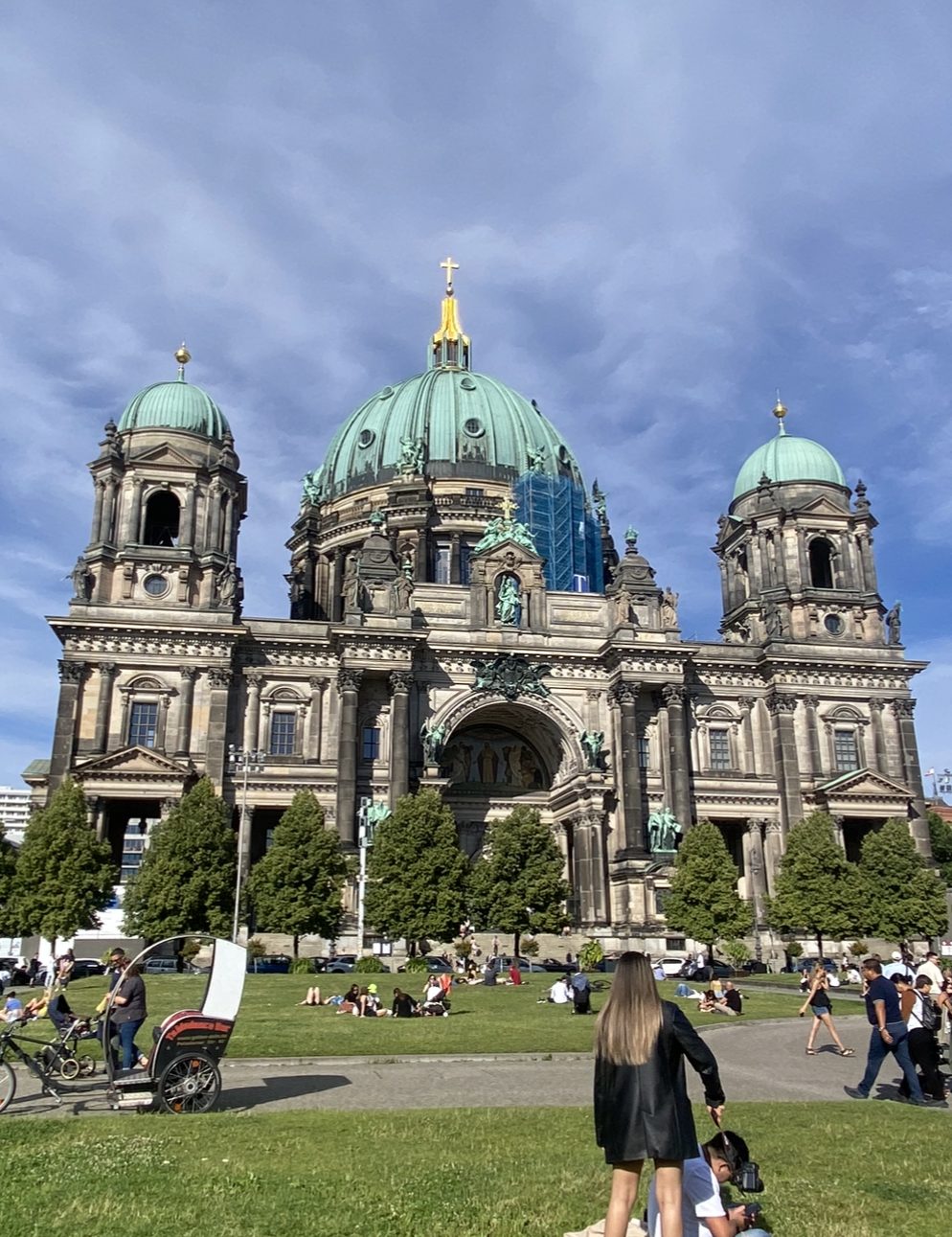
For reference, mine was in Berlin and thus I will share my experience based on that. It’s possible to go to other countries like Paris, Singapore etc and thus experiences can and will vastly differ. Regardless, I will try and keep it as general as possible.
Pre-Selection
Frankly, I don’t remember much about this process. Some on Reddit say that an extremely high WAM is needed. But I don’t think that is necessarily the case. Some of my cohort did not have an excellent WAM, but relevant skills or great expertise in a specific field that made them a potentially great asset for this project. First and foremost, identify WHAT you want to take from this module. If you think it’s because it’s going to be a “holiday” in another country, do NOT take this module (I will explain later).
In terms of writing answers, just be honest and see how GMC as a project can help you in your professional career and what skills or experience you have that can potentially be used. For your resume, I highly recommend using the Vmockup Dashboard to craft the perfect resume. It has a score generator and recommendations on how to write your resume, as well as templates. Once both is done, don’t worry too much about it. The universe will always provide you what you need.
Help! I don’t have any consulting experience or skills required in this project – should i still apply?
There are two sides to this coin. In my personal opinion, having consulting knowledge or background is a significant game changer for this module. But don’t be discouraged if you don’t have it, you can learn some skills by undertaking this course.
Having experience and knowledge is great, but it can become a crutch, as it may not work well with the project requirements. For example, I’m great at making marketing slides but I have little experience in consulting slides. Some of my cohort with consulting backgrounds (clubs, working experience) also struggled due to differing requirements.
Coming in without consulting experience allows a fresh perspective and makes you utilise other skills and experience. The first question to ask yourself is, what do you bring to the table? Knowing yourself is the first step to greatness. You may have competencies that your team is lacking in and can work on filling that gap. Sometimes, you realise you have a hidden competency or can quickly learn a skill that helps your team. Even boosting morale or simple tasks can be significant in a project like this.
EDIT: now that my marks are out, i can safely say that this module is NOT a beginner’s course or guide to consulting management. If you have absolutely zero skills or experience, i would say that you should NOT take this module. It does not take kindly to people who are new to consulting and that is the reality of the program. Also, ensure you are willing to commit to the program and can communicate well with others.
Post-Selection

So you have just received an email about your acceptance to GMC. Congrats fam! Follow the instructions provided on the email to accept your offer and start getting ready for your trip. In this phase, do research on the country you are headed to such as prices, weather, attractions, flights, language etc. This will ensure you are well-equipped to navigate your destination from the get-go. For example, my friends in Germany told me Berlin could get cold and rainy despite summer months, so I brought a rain jacket that was immensely useful.
Secondly, head to the logistics briefing. While the briefing itself is too early on to be of much relevance (in my opinion), it’s a great opportunity to meet your cohort who is headed to the same country and there’s potential to make new friends or even meet old ones. This is important as you will be asked to make a choice of roommates and it is ALWAYS better to choose than be randomly assigned and stuck with someone you may not get along with. I got lucky with staying with someone I already knew, but some of my friends who were paired up randomly had some difficulties sharing a space for 2 weeks. Most of the people who chose their partner based on first impressions were more likely to have a good time.
Make sure to create a group chat to communicate updates or even meet up once or twice before you fly if you can. Once the briefing is over, you probably won’t have much time, start booking your flights and consider where you want to head after the trip. Everyone is likely to have different plans but consider checking out other parts of the region during your break before heading home.
1-2 Weeks Before Departure
This is where reality may start to sink in. You will notice that your coordinator has released some online modules for you to complete online. DO THEM. I can’t stress this enough as it provides you with useful frameworks and tools that can assist in your project. Personally, I think the school resources are not enough. Consulting requires a general skillset but I’m going to mention 4 skills that are extremely useful:
Research / Idea Generation: Knowing emerging technologies, case studies of company innovation or positive culture shifts is extremely useful. In other cases, knowing business models (like porters, customer journey map, brand positioning) and then applying where relevant is a great way to put your theory into practice
Slide Crafting: Not saying slides need to be super aesthetic, but knowing the basics of crafting consulting slides can truly go a long way in helping your team. Look through the resources provided, search up consulting slide templates, and think about what is the best way to present information.
Organisation/Coordination: Although these are completely separate skills, both are extremely vital in managing this project as you only have a limited amount of time to come up with the most optimal solution. Organisational skills include creating folders, drafting formats, ensuring team cohesion. Coordination skills include time management (can’t stress how important this is), writing emails to clients, ensuring work is spread out evenly based on strengths etc.
Data collection and synthesis: Collecting data (be it qualitative or quantitative) is crucial in deriving your analysis and solution. But collecting data isn’t enough. You should be able to draw some conclusions based on the data the company has provided OR from external research. Using the data provided to help back up your analysis separates the good from the great in my opinion.

Apart from that you should begin packing. This is where most of us go crazy ( I know I did!!). Definitely bring at least one set of formal wear for your final presentation. The rest is more dependent on your company, in my opinion. I worked with a start-up, where the general consensus was that casual wear was totally acceptable. In other groups, smart casual was the bare minimum. It wouldn’t hurt to bring more just in case but try to be smart about it. Research on country conditions is also super useful. There was days in Berlin were the temperature was 20 degrees and no one was prepared for rain or colder temperatures. It also helps to know the style of the place you are headed to. For Berlin, I packed some stuff I could wear to clubs etc and it really did help in allowing me to enter XDXD
Once you receive your potential company, you may opt to do more research on the company/industry/problem statement. My team spent 2-3 days understanding the industry and company itself, which could have been avoided if everyone did their prior research (I reckon this was the case for my group due to the technical nature of my company), but meeting the company personnel directly was super helpful!
Also, try and coordinate with your groupmates by creating a group chat and building some team spirit before you fly. This can help facilitate a faster bonding process and result in more productivity.
GMC Period (2 Weeks)
Oh boy where do I even begin….
You start off the first official day with your coordinator (in my case it was Franz Wohlgezogen) who works on team building, conflict resolution (important later) and productivity techniques specifically for this project. I can’t remember much (was jetlagged) but nothing too strenuous.

You will then spend the next few days talking to the client, gaining company knowledge etc. BIG TIP (LMAO): Bring a notepad and pen to take notes. No don’t use your laptops as you are scientifically more likely to remember what you physically wrote over typing (FRFR). This will also help you to draw out key details/concepts and build upon them later on and help with your assignments post GMC. This will be useful for your final individual submission as it allows you to recollect your memories during this period.
The first few days is mostly understanding the company and the problem, but it’s also about setting expectations as a group and working together (more on this later).
During this time, you will be busy during the weekday and have freedom to do what you want on the weekend. Working in teams, you will have to create a presentation deck and present it to your clients at the end of the week.
I would say the whole GMC is intense. You spend quite alot of time doing work so it is not a holiday. Personally I had of personal circumstances not related to GMC which affected by performance (or at least my mental state) to some degree. But i also had an amazing time and made such great friends there throughout the process.
Will I Have time To Explore The City?
I will say the first few days are THE BEST TIME to explore the city, especially tours (like concentration camp) or stuff that is further out. The most important thing to note is time management. This isn’t a regular module where you have 10 weeks to work together and complete your project. You only have 2 weeks and trust me, it’s all going to fly by so quickly. I would reckon that you should be able to see the city in some capacity but definitely less than you would like to.
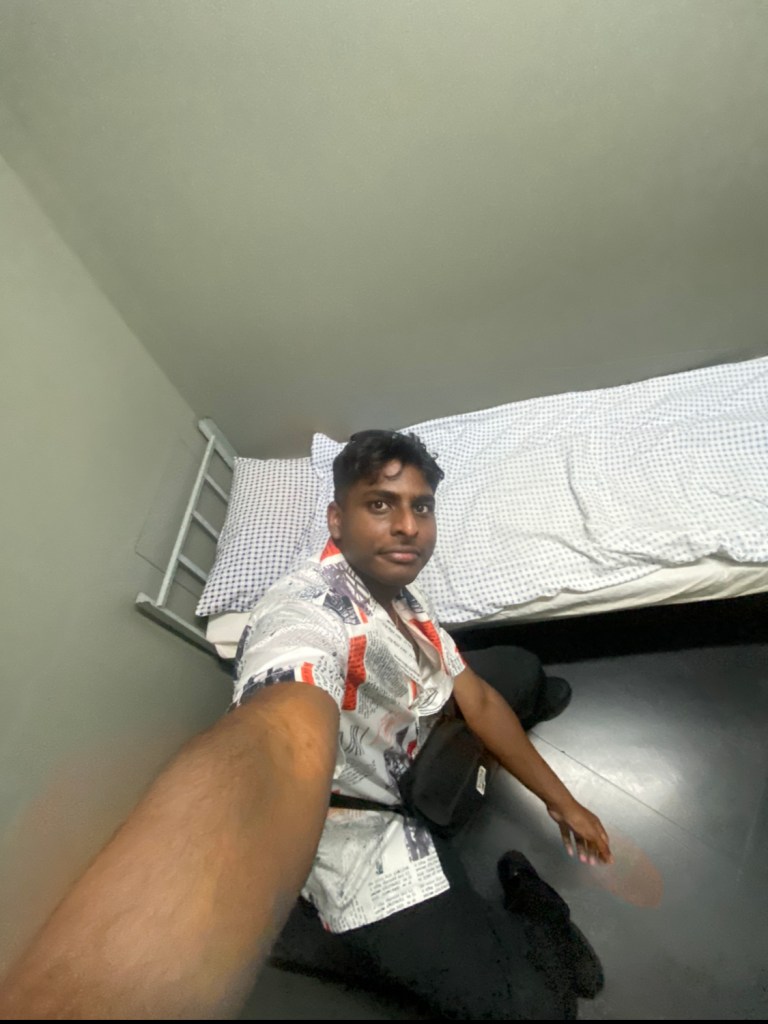
Personally, I would recommend trying to see something new every day and leave big ticket items when there is more time. Speaking of, companies have really embraced hybrid work culture. This means that you can also opt to stay in, do work from home and head out earlier if your work is done. I managed to hit some clubs, do lots of art and history museums and tried to eat something new every day.
Ultimately this also depends on your distributed workload and team members. My roommate was pretty much always done by 5 and they did really well, whereas there was a day or two where we were all cooped up in the hotel (despite it being a weekend) and did not do anything but work. You decide what’s right, you decide what’s good.
Will i need to learn the language of the place i’m headed to?
Personally, i did not learn much German while staying there. But it depends on the culture of the place you are headed to. If i were to be headed to Paris, France i would probably spend some time learning important phrases to ease into the local culture.
Teamwork is Essential!


I would say every team in my cohort had a weak link or some conflict. Let’s also note that no conflict is actually terrible though, it doesn’t increase productivity and will lead to dullness. The most important thing is how you navigate and work within a team during this period.
While the presentation itself is individually graded, you NEED to work together. My team ultimately suffered in this aspect due to a conflict within team members (IYKYK). While this helped us significantly at the start, it also created unresolved tension and made working together difficult towards the end.
I want to just note a few things to keep In mind:
- It is better to voice out your issues, unhappiness than remain silent and (excuse me for being harsh) hold resentment.
- Be in constant communication. Always be in the know.
- Working together means using your combined skills, leveraging who does what best
- Be willing to be adaptable and compromise in difficult situations
- Understand that everyone has different working styles and communication patterns
Teamwork between the cohort is also really amazing as you come together for huddle sessions to provide feedback, suggestions and help to ultimately create a better final product for the client.
Final Presentation

To be honest, i pride myself as an amazing presenter. But i made several mistakes i wish i could undo…. but its okay, we live and we learn. A few things to take note:
Practice: My team ran out of time to practice together more but definitely allocate some time to do it together and create an awesome flow and ensure that everyone is well prepared. It also helps to make yourself feel more confident when you are better prepared.
Know Your Project: Although everyone works on different parts, it’s important that everyone knows what the entire project is about and can step in to help answer questions when needed. Knowing your project is also about knowing your clients and understanding your clients needs and focusing on addressing these needs.
Lastly, have fun! When you a project like GMC and work intensely for 2 weeks, don’t let the pressure of the workload get to you. Follow the basics of presenting and you can do well. Once the presentation is over, celebrate!
Post GMC
After 2 weeks, most people will have split to travel and explore the region and rest up. But the work is not done yet. You still need to write a report and individual reflection that is due much later. These deadlines will come in once school starts (for winter break, but summer break students have much more free time). I can’t say too much because i recently submitted myself but just ensure work is delegated and you should be fine. Also take note there will be a peer review where you grade your team members for their contribution. Although it is a small percentage, it can make a significant impact on your final grade.
Concluding Thoughts
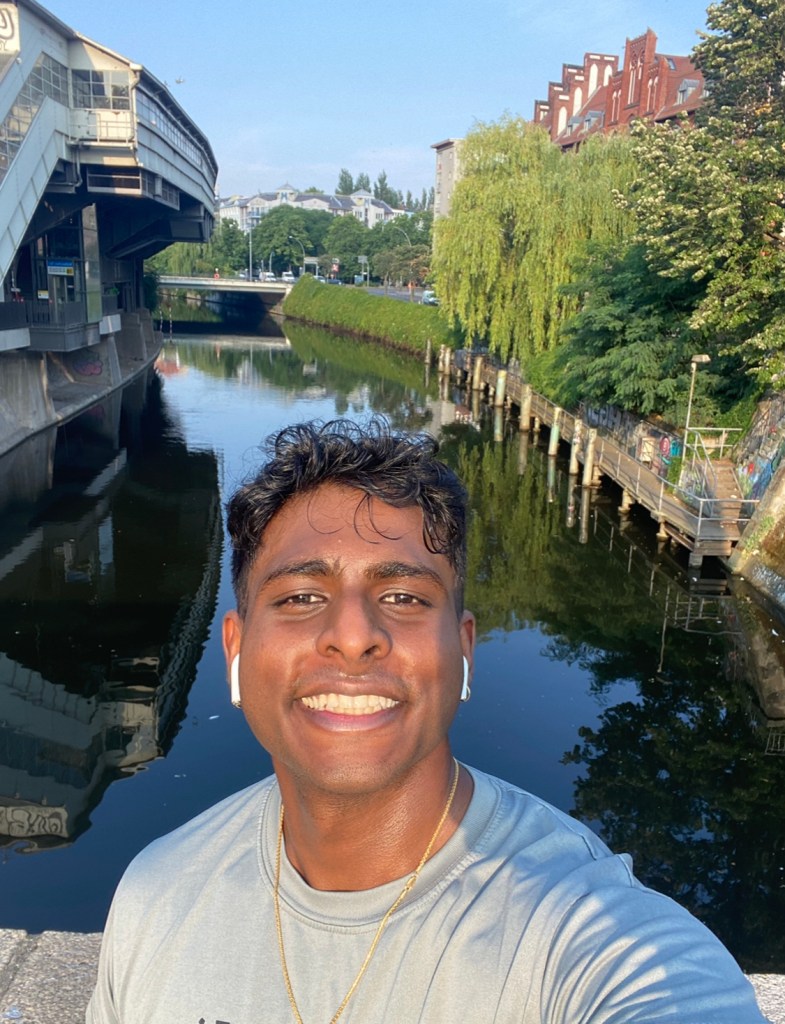
To be honest, i can’t say if i enjoyed GMC or if i would take it again. I personally wish there was more support for students (especially if you lack consulting knowledge or background) to create a more productive and equitable environment. But this is definitely not a majority perspective, as most of the cohort had an amazing time.
I don’t wish to slander anyone (and again these are my opinions and my experiences) but i feel that our coordinator was rather distant and had an extremely roundabout manner of speech which was extremely confusing. Whether this was intentional for the learning process or the diction of a consultant who is used to fluffing up words, i was unsure. I also felt like his expectations of us was super high and he held us to the standards of actual consultants which was unrealistic. Even when i told him about issues i faced, i did not feel supported and was given conflicting advice. But ultimately, i think he is fair in his judgement and feedback in improving your projects soo take from that what you will.
But at the end of the day, I will take GMC as a major learning point in allowing me to gain more professional experience in commerce and allowing me to showcase my unique set of skills and knowledge. It also gave me the opportunity to work in a region i would have probably never gone on my own, and for that i am immensely grateful.
I hope this guide was helpful in some way, because i wish i had this guide when i was researching for GMC. Most knowledge and information comes from word-of-mouth from previous students, so i thought it would be awesome to have a guide that is more concrete.
As always, feel free to reach out via Instagram/LinkedIn if you have any further questions. I will continue to add on any burning questions to this guide if you have any.
peace out!
Social Media Links:
Instagram : Link.ashes
LinkedIn : https://www.linkedin.com/in/linkeshjayaram/



 linklogbook
Leave a comment