Note: There will be some words you may not know in today’s post. I have added links where I can.
Welcome back to my blog! Today’s post is more personal and just an insight into my life, about my culture. It’s more of a ramble, but bear with me. I just submitted my final essay for university, and the topic hit close to home:
For the longest time, I have been obsessed with rituals. I loved accompanying my mom to watch processions and re-enactments at the temple. But for the same amount of time, I never understood the point of any of it.
Why do we continue to do what our ancestors did?
In a modern world, with modern advancements, should we not have modern beliefs and pursue modern activities? (take a shot everytime you read the word “modern”)
The festival I understood the least was Thaipusam. It sounded so painful and scary. I tried asking questions about it but my parents didn’t have the full answer either. So I followed my family but these questions continued to bubble up within me. Eventually, i stopped attending the festival. Watching the piercings made me feel nauseous, and I just couldn’t see the point.
Losing Faith (literally.)
But I didn’t just stop at Thaipusam. I stopped praying altogether. I stopped visiting temples with my family and got highly irritated when asked. I watched relatives connect to their spirituality and “god” and couldn’t fathom it. In my mind, there were much better things I can put my time into. My prayers to “God” only happened when I wanted something—like hoping my dad would strike 4D (lottery) or that I’d ace an exam.

But here’s the funny thing: I never stopped loving rituals. I always did Deepavali padaiyal for those who departed. I continued to be fascinated with padukalam. My curiosity wasn’t limited to Hinduism; I explored Mahāyāna practices and meditation from Buddhism, and I even attempted (and failed) Ramadan fasting. It felt like I was trying to piece together a social puzzle.
That changed when I took a class on classical mythology.
What is a Ritual tho?
We had a whole module dedicated to rituals and their purpose. According to author Kyriakidis, a ritual is:
“a set activity (or set of actions) that, to the outsider, seems irrational, non-contiguous, or illogical. “
What he’s saying is that rituals often don’t make sense to someone outside of the practice. My tutor used the example of ancient Greeks using birds to read omens—bizarre, but fascinating.
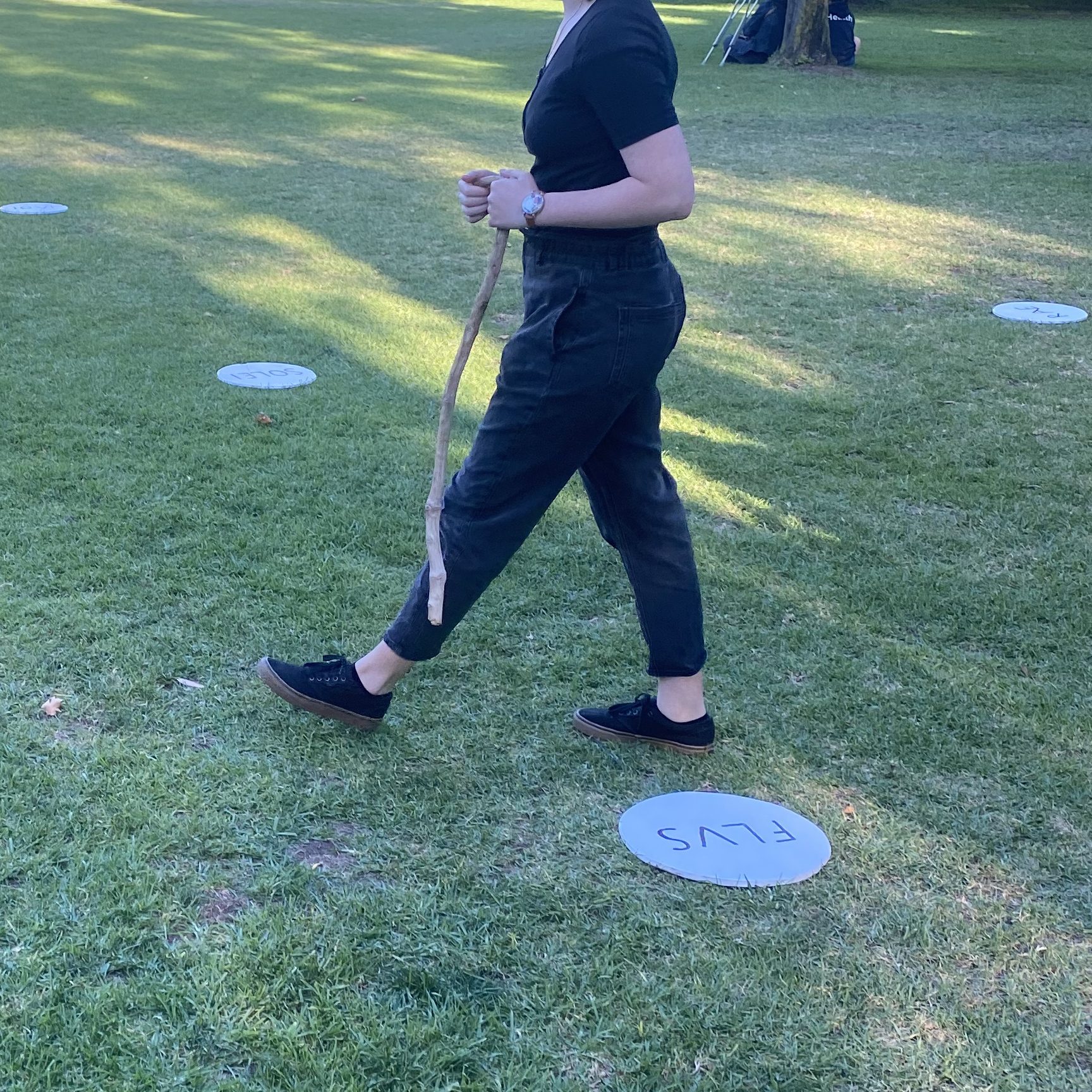
And then it clicked: I couldn’t understand Thaipusam because, despite it being part of my heritage, I was an outsider to it. Was I truly disconnected from my own culture?
Diaspora and Rituals
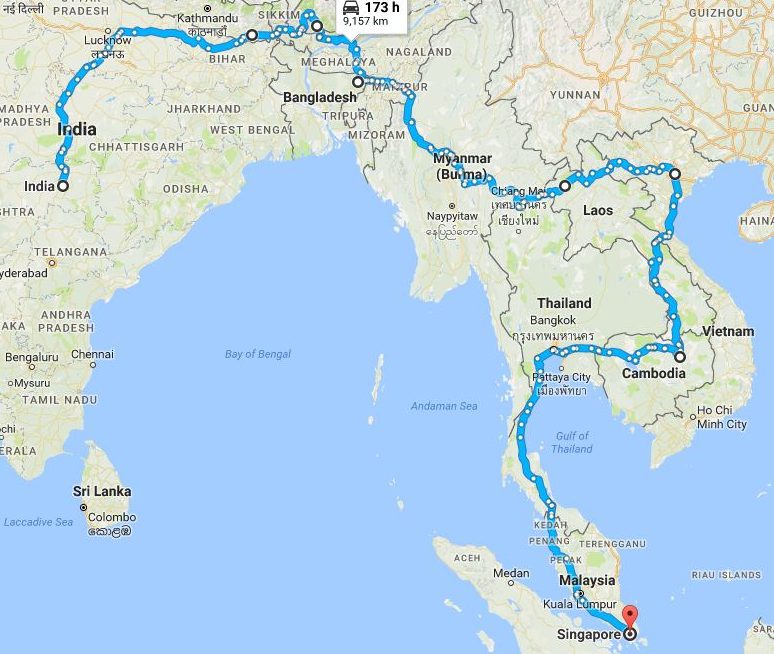
If your ancestors, grandparents, or parents ever made the brave decision to leave their homeland, I respect their resilience. As someone who has moved twice, I know how leaving home means adapting to a new culture, often at the cost of everything you once knew.
But it doesn’t mean you have to let go of everything. When my grandparents moved to Singapore, they created a new community, connected with their neighbours, and found their place in the multiracial society that Singapore is today.
When you’re far from home, you cling to things that feel like home. I’ll give you a hint: it’s something that only people back home can truly relate to. If you guessed “rituals,” congratulations!
If you didn’t, you owe me five bucks.
Rituals that once felt meaningless become powerful lifelines. They connect you to your community, become a bridge to your heritage, and remind you of where you came from. For example, a celebratory yusheng brings people together with hopes for a brighter future and prosperity.
But only rituals are transferred, meanings are not…
But here’s the catch: as generations pass, we often lose the meaning behind these rituals. Being part of the diaspora means adapting traditions to new environments until they’re… no longer traditional. And as these changes occur, the transfer of meaning gets disrupted due to the changing environment. We still partake in these rituals—because our parents did, because it’s what we’ve always known—but we connect only superficially.
It finally clicked for me at my grandmother’s funeral (RIP gma I miss you <3). During the 8th day prayers, my aunt asked those preparing the food to remain silent. I asked why, and she replied, “It’s just what we did for others.” She wanted to get the ritual “right” to feel connected to a larger tradition, to say we did it like everyone else. She wanted to connect to our culture, but didn’t realise that that the loss of meaning made that connection hollow. And that it would continue to pass down.
Rituals aren’t random or meaningless
We stay silent during these moments to observe the mourning period, to create a space for those who are grappling with loss. This silence is more than just a tradition; it’s a way to show respect, to acknowledge the pain and absence that comes with grief. Our ancestors created these rituals to facilitate a process—one that guides us through the difficult social situations or overwhelming emotions
Rituals like these aren’t arbitrary either; they emerged from the need to cope with the incomprehensible nature of life’s transitions. When words fall short, these practices become a way to express feelings that are too complex for language.
Connecting 6,059KM away
So once I left to Melbourne, I did a real deep dive into our rituals, especially on Thaipusam. It felt like I was uncovering hidden knowledge, like a part of my history that had been waiting for me. I started to pray again. I visited temples and watched pujas. But this time, it felt different. It felt meaningful. I had finally connected to my culture, even from a foreign land, far from everything I once knew.

There’s a bit of regret in there too. Maybe that’s why I decided to write that essay and now, this blog. I finally understood that the customs we follow today are a continuation of that collective wisdom, passed down to help us navigate emotions that remain as raw and real as they were for those who came before us.
A Concluding Reflection
For me, what started as confusion and frustration turned into a journey of rediscovery. I found myself drawn to rituals because I wanted to understand and connect to others. But now, I understand that rituals don’t always have to make sense to everyone—they just need to mean something to the people who practice them. And sometimes, that’s more than enough.
So, if you’re reading this, I invite you to think about the rituals in your own life, whether they’re inherited from your culture, created by your family, or even made up just for you. Ask yourself: Why do I hold onto them? What do they mean to me now? Drop a comment below on your thoughts!
Because maybe, just maybe, those small acts that seem so ordinary hold a little bit of magic, waiting to be rediscovered. 🙂
Thank you for reading, and until next time.
xoxo
Link
Follow my socials if you want to get updated on my life:
Instagram
LinkedIn


 linklogbook
Leave a comment